Jewelry is one of the hardest subjects in commercial photography — small, highly reflective, and unforgiving of a shaky hand or the wrong light. A single stray reflection can make a genuine gold or gemstone piece look dull, while the right macro lens, lighting and editing workflow can make even simple costume jewelry look like it belongs in a display case.
This guide covers the equipment, camera settings, lighting techniques and editing workflow that separate scroll-stopping jewelry photography from listings shoppers scroll past — written for jewelry brands, gold and silver sellers, gemstone businesses and ecommerce stores, and kept practical rather than theoretical.
Table of Contents
Why Professional Jewelry Photography Matters
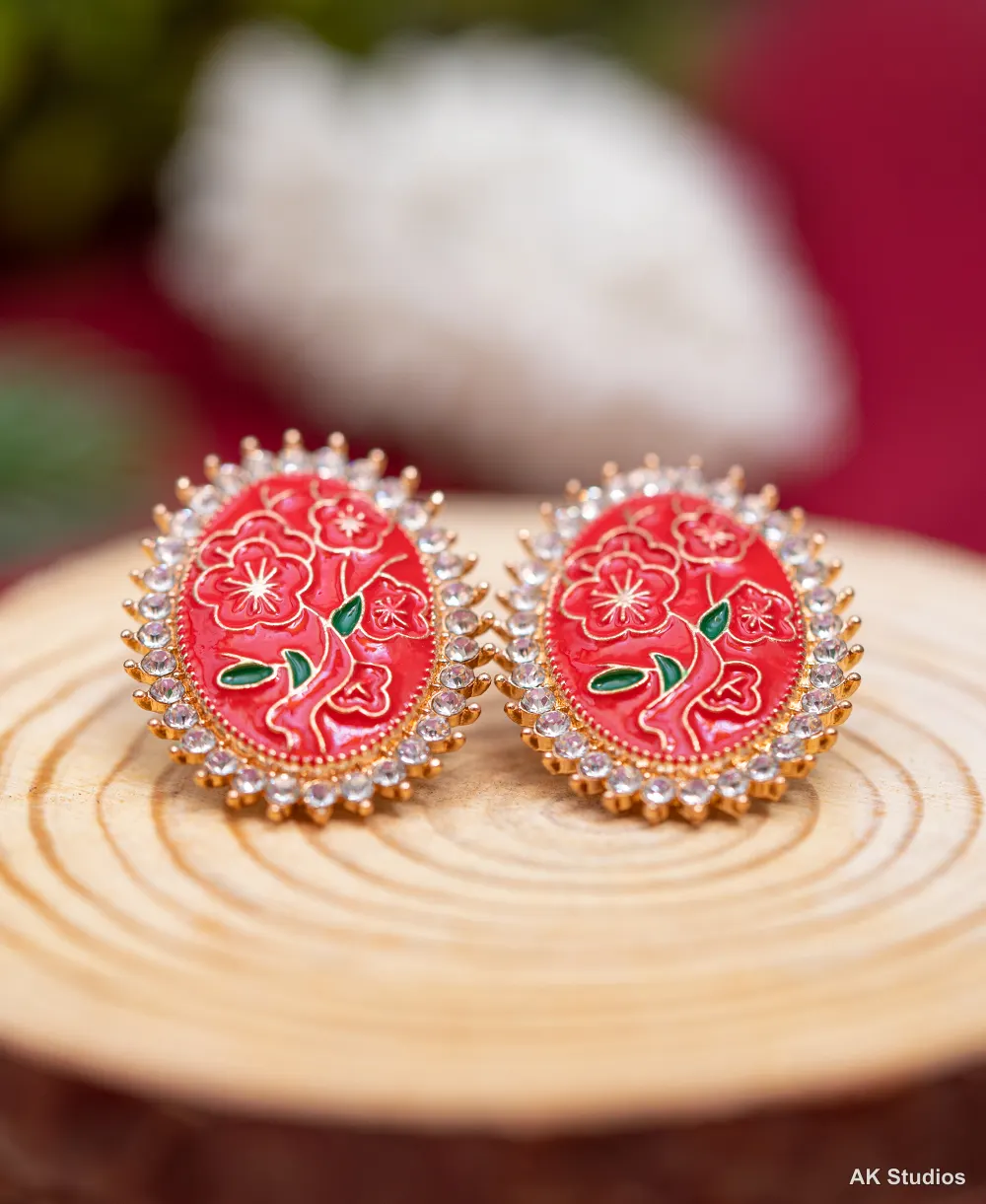
Macro product photography from AK Studios' portfolio — sharp detail and clean color are what build buyer trust before a customer ever holds the piece.
For most jewelry buyers, a photograph is the entire shopping experience — they never hold the piece or watch a stone catch the light before deciding to buy. That photograph does the job a showroom and a sales associate would normally do together. Shopify's own research found that 75% of online shoppers rate product photos "very important" to their buying decision — ahead of reviews, descriptions and even price. For jewelry, where perceived value depends almost entirely on sparkle, finish and proportion, that matters even more.
- First impressions: a blurry or poorly lit photo reads as a cheap or untrustworthy listing within seconds
- Brand perception: consistent, well-lit photography signals a serious, established business
- Customer trust: accurate color and detail reduce the "it looked different online" doubt that stops a purchase
- Higher conversions: sharp, well-lit product photos directly reduce cart abandonment on jewelry listings
- Premium positioning: the same piece shot two different ways can look mass-market or genuinely luxury
Challenges of Jewelry Photography
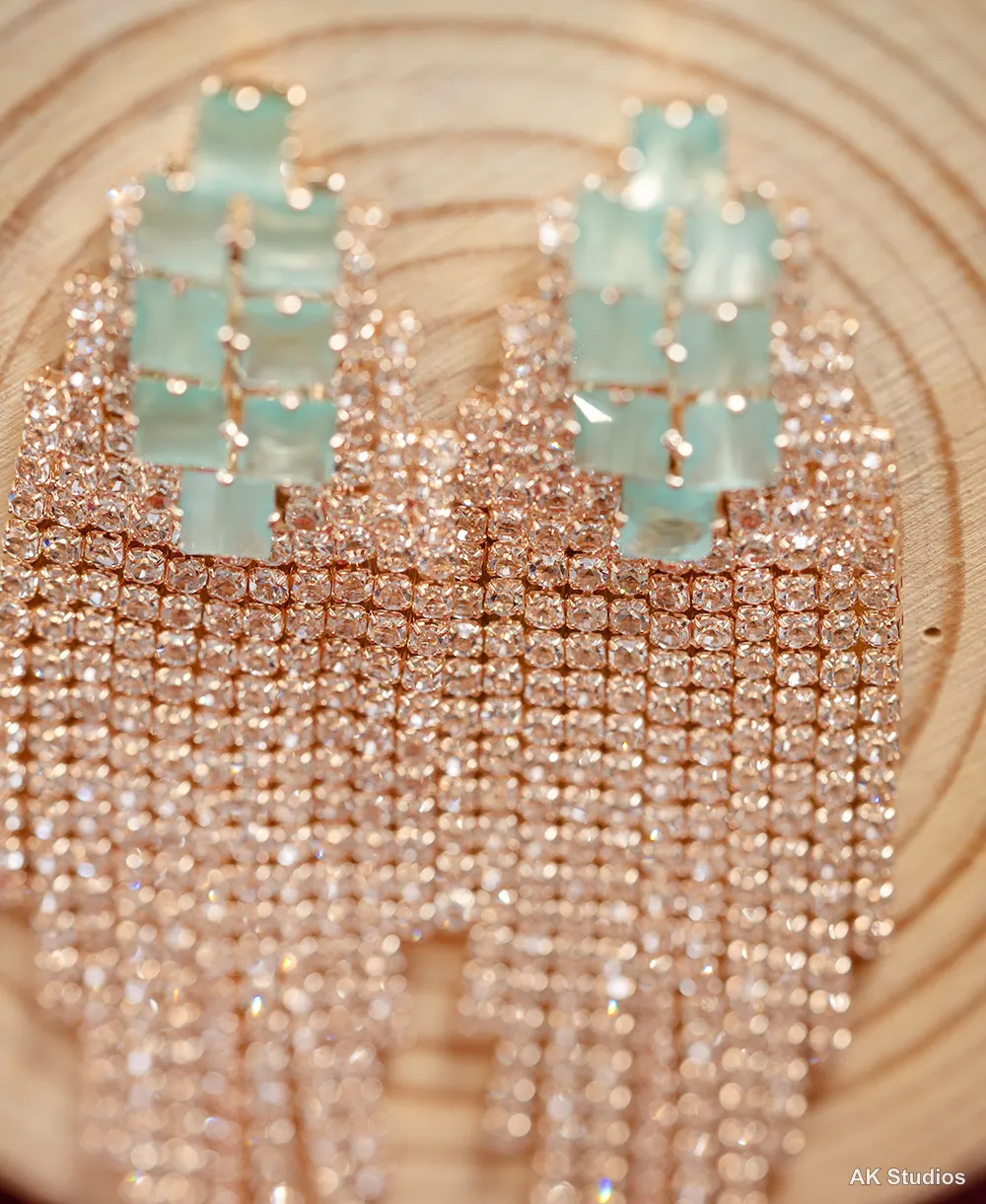
Every crystal facet needs to catch light individually without blowing out — one of the hardest balances in jewelry photography.
Jewelry breaks most of the rules that make other product photography straightforward. Pieces are tiny and highly reflective, often combining matte metal, polished metal and faceted stone in one shot — three surfaces that each want different lighting. A speck of dust invisible on a bottle of skincare cream becomes obvious at macro magnification.
- Reflections from polished metal and glass
- Capturing fine details at true macro scale
- Making gemstones sparkle without blowing out highlights
- Metal surfaces that pick up every fingerprint and speck of dust
- Shallow depth of field at close focusing distances
- Needing focus stacking to keep an entire piece sharp
Because a macro lens at f/2.8–f/5.6 often has only a few millimeters of usable depth of field, professional jewelry photographers frequently shoot several images at different focus points and blend them in post — a technique called focus stacking — rather than relying on a single frame to keep an entire ring or pendant sharp.
Essential Equipment
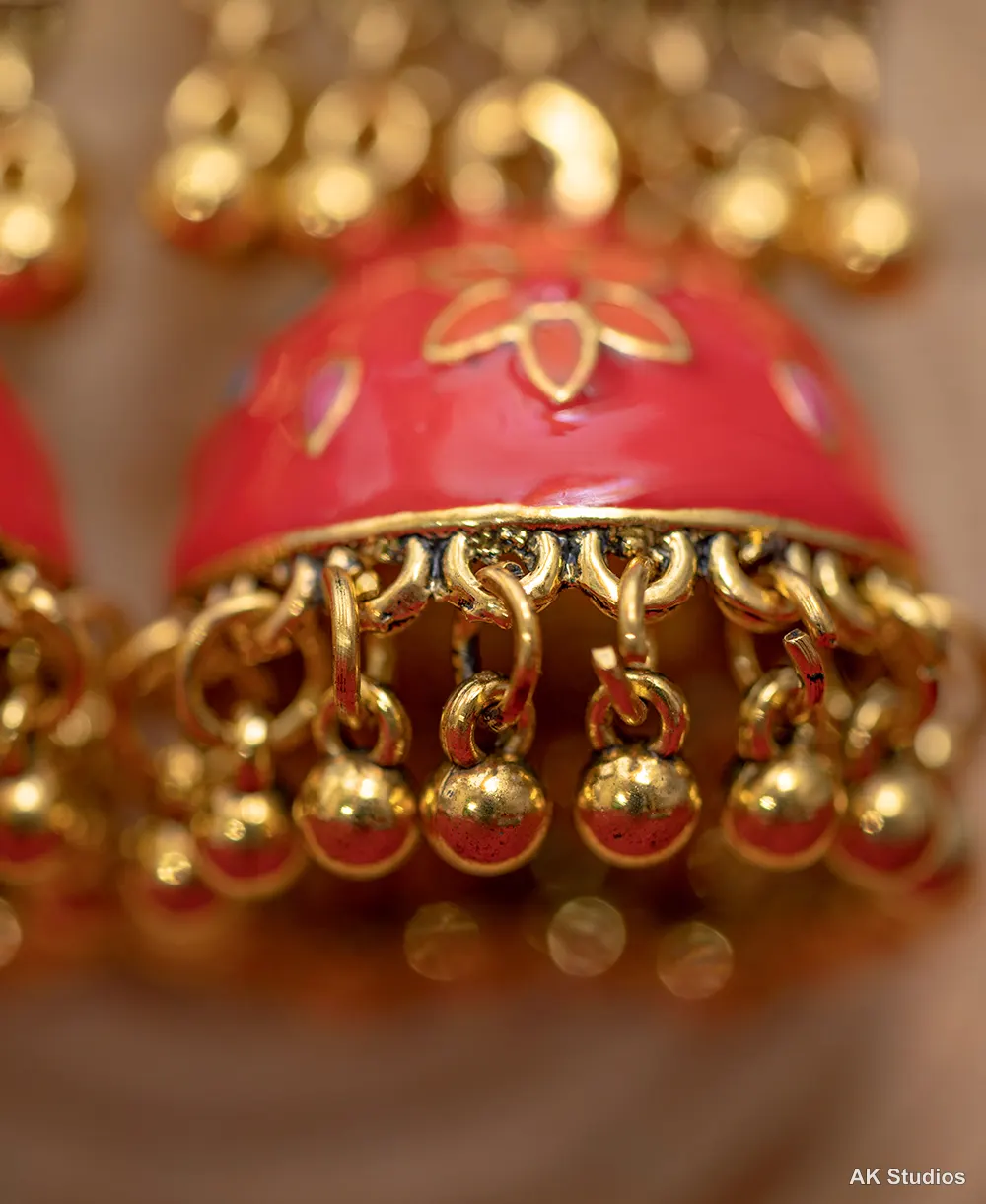
A true macro lens and a stable tripod are non-negotiable for sharp stone facets and clean metal edges.
None of this depends on exotic gear — it depends on control. A full-frame camera paired with a macro lens, tripod and controllable lighting will consistently outperform an expensive camera used handheld under mixed light.
- Full-frame camera body for maximum detail and dynamic range
- A true 1:1 macro lens, such as Sony's FE 90mm Macro, Canon's macro range or Nikon's Micro-NIKKOR lenses
- Sturdy tripod to eliminate camera shake
- Diffused studio lighting or a light tent/box
- Softboxes for broad, even light
- White and black reflectors for fill and reflection control
- A polarizing filter to cut glare on metal and glass
- A turntable for consistent multi-angle shots
Best Camera Settings
Jewelry settings prioritize depth of field and color accuracy over speed. A typical studio starting point:
| Setting | Recommended Approach |
|---|---|
| Aperture | f/8–f/16 for depth; combine with focus stacking for true macro sharpness |
| ISO | Base ISO (typically 100) to keep noise out of fine detail |
| Shutter Speed | Flexible on a tripod with continuous light; matched to sync speed if using flash |
| White Balance | Custom or manual, calibrated to the light source — not auto |
| Focus | Manual focus with magnified live view; autofocus often hunts at macro distances |
| File Format | RAW, for accurate color correction and metal-tone recovery in editing |
Lighting Techniques
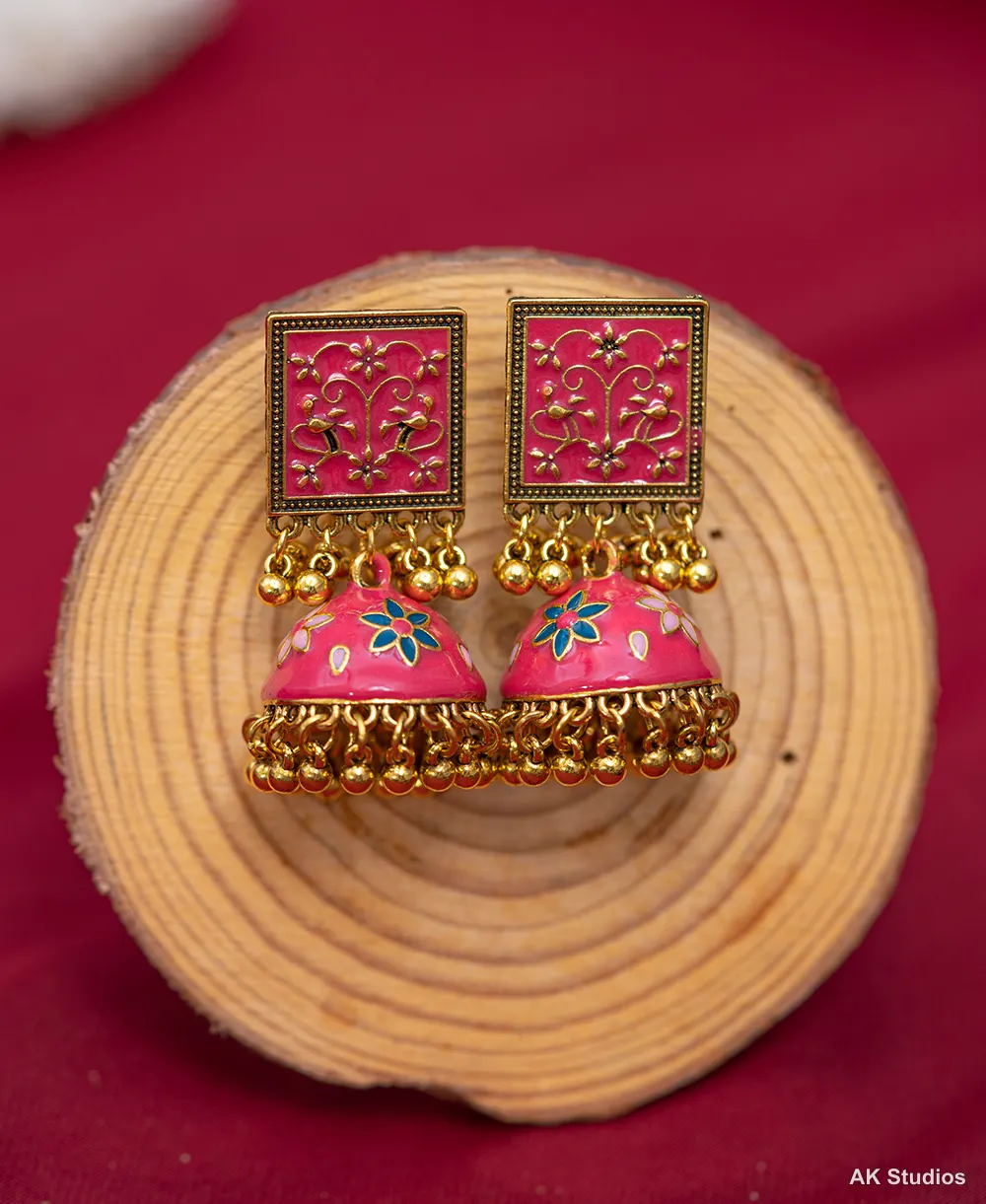
Soft, diffused light reveals texture and gold-plating detail without harsh hotspots.
Lighting is where jewelry photography is won or lost. Hard, direct light creates blown-out hotspots and harsh reflections; soft, diffused light lets a viewer actually see a piece's shape and texture.
- Soft, diffused main light — through a softbox, diffusion panel or light tent
- Light tents or light boxes for small pieces, to fully wrap the subject in even light
- Rim lighting to separate dark metal or dark stones from the background
- Reflection control — black flags, cards or foam board positioned just outside the frame to shape, not eliminate, reflections
- Gemstone-specific lighting — a small, more direct point light angled to trigger a stone's sparkle, added after the base exposure is set with soft light
Editing Workflow
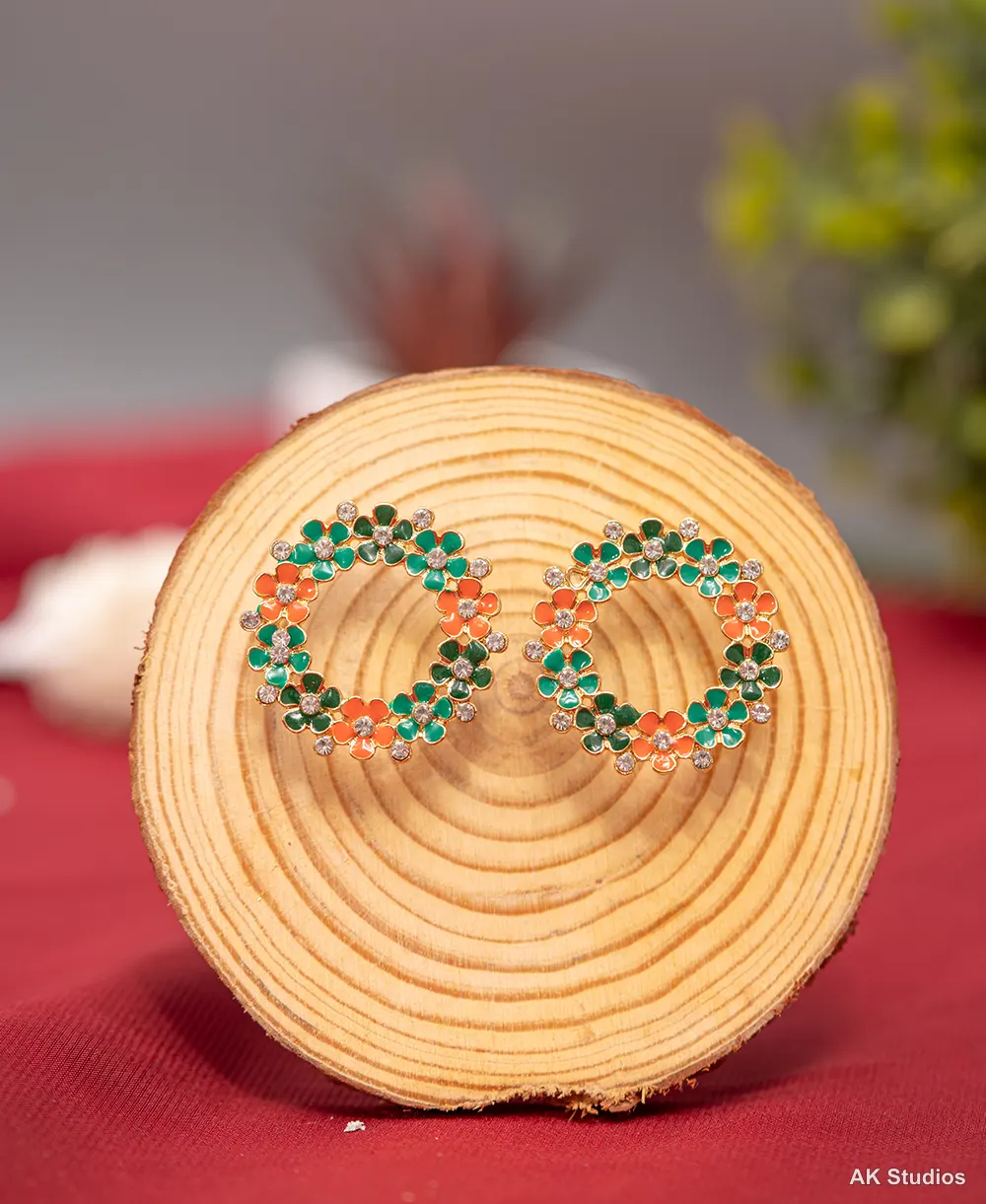
Accurate color correction keeps enamel and gemstone tones true from camera to screen.
The camera captures the raw material; editing makes it retail-ready. Adobe's product photography guide covers the fundamentals — a typical jewelry retouching workflow moves through:
- Color correction to match gold, rose gold, silver and gemstone tones to the real piece
- Dust and spot removal at 100% zoom
- Reflection and hotspot cleanup on polished surfaces
- Merging focus-stacked exposures into one sharp image
- Background removal or replacement for pure-white ecommerce listings
- Shadow enhancement for a grounded, three-dimensional look
- A final color accuracy pass against a calibrated monitor
Jewelry Photography for Ecommerce
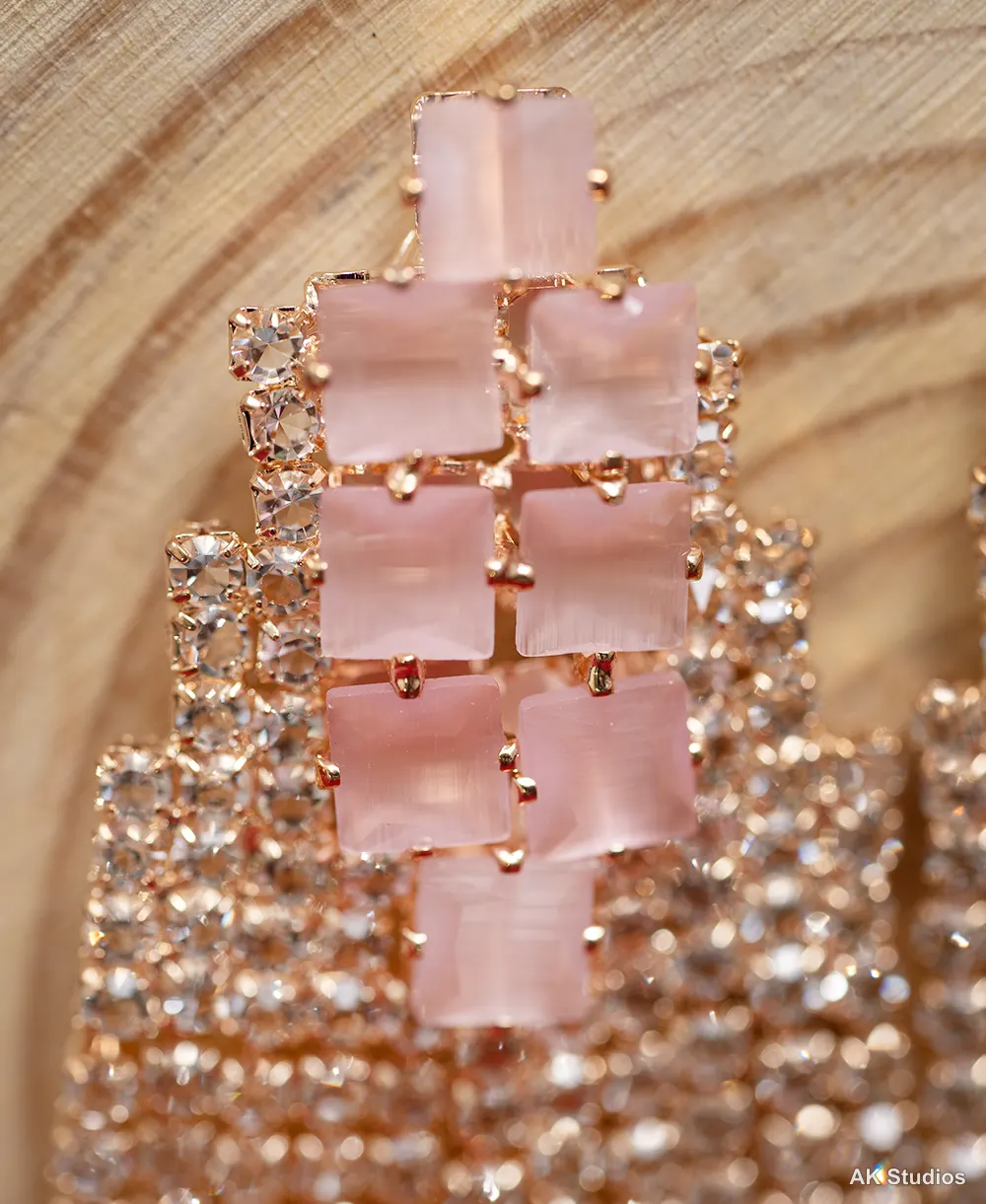
Clean, evenly lit product shots like this adapt easily to marketplace and website listing requirements.
Different platforms expect different things from a jewelry photo. Amazon and Daraz require a pure white background with the product filling most of the frame, while Etsy's Seller Handbook recommends multiple honest, well-lit angles over heavy styling. Shopify and WooCommerce stores have more freedom — a mix of white-background and styled lifestyle shots tends to convert best, per Shopify's photography guide. On every platform, compressed images and descriptive alt text matter for search visibility too — Google's image SEO guidelines confirm both affect how product images get discovered.
Jewelry Photography for Social Media
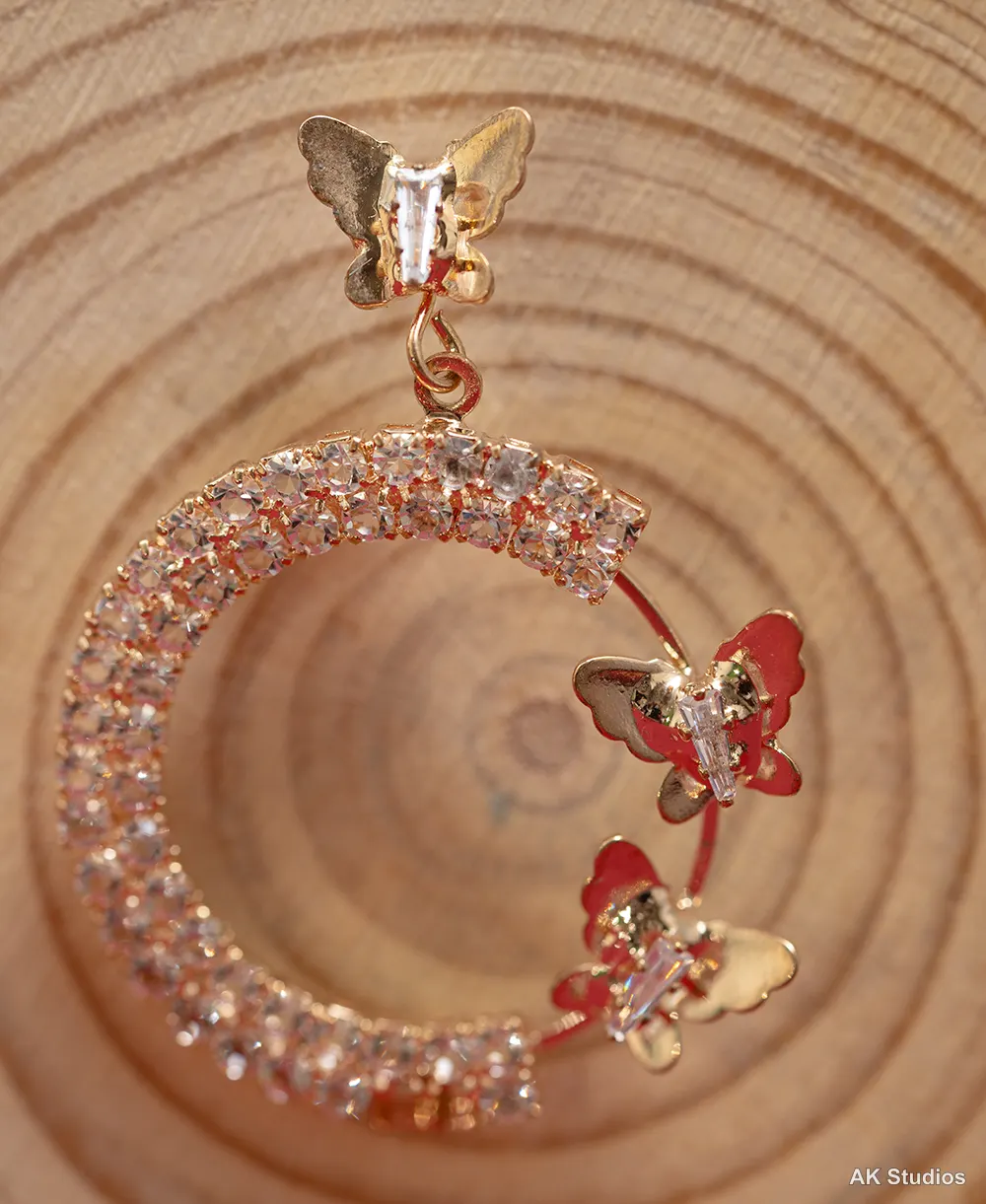
Styled, angled shots like this work well for Instagram and Pinterest, where jewelry photography doubles as brand storytelling.
Instagram and Pinterest reward styled, lifestyle-leaning shots more than clinical white-background photos — flat lays, on-model detail shots, and close-ups that show scale against a hand or fabric. Facebook shopping catalogs still lean toward clean, marketplace-style images, while TikTok favors short video, where a piece's sparkle and movement do more work than a static photo. For luxury branding, consistency matters more than any single image: the same lighting, color grade and background repeated across a feed is what makes a brand look established rather than improvised.
Why Brands Choose Professional Product Photography
The return on a jewelry photography investment compounds across channels. One well-executed shoot doesn't just serve a single listing — the same images get reused on the website, in Instagram posts, WhatsApp Business catalogs, paid ad creative, and printed lookbooks, spreading the cost of one shoot across every touchpoint a customer sees. Brands that replace inconsistent phone photos with professional imagery also tend to see fewer "it looked different in person" disputes, since buyers arrive with accurate expectations. For a category where perceived value is built almost entirely through visual cues, that consistency is part of the product itself.
Why Choose AK Studios
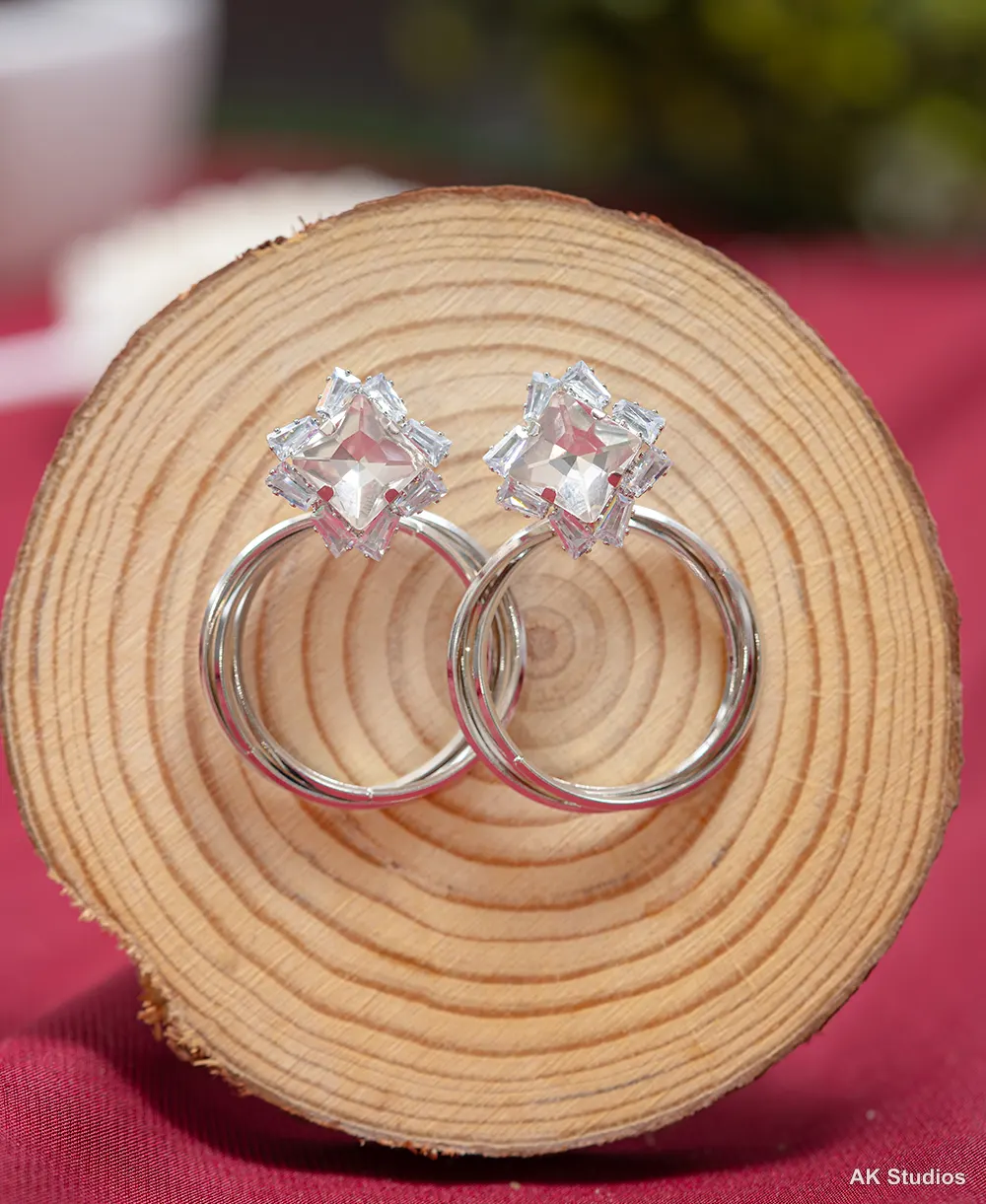
Consistent styling and lighting across a full catalog is what separates a professional jewelry shoot from a phone snapshot.
AK Studios by Asfar Khan shoots product photography and branding photography for businesses across Islamabad and Rawalpindi, with jewelry and gemstone pieces among the most detail-intensive work we take on. The same approach covered in this guide — proper macro equipment, controlled lighting and careful editing — applies whether the output is a Shopify store, an Instagram grid or a printed catalog. If you're weighing an in-house shoot against bringing in a studio, our creative services team is happy to talk through what your catalog would involve.
Ready to Shoot Your Jewelry Catalog?
AK Studios by Asfar Khan offers professional product and commercial photography across Islamabad and Rawalpindi — see our photography portfolio or get in touch for a tailored quote.
Frequently Asked Questions
How do professionals photograph jewelry?
Professionals use a full-frame camera with a true macro lens on a tripod, diffused studio lighting, manual focus at a magnified live view, and narrow apertures combined with focus stacking to keep the entire piece sharp. Shots are captured in RAW and finished with color correction and reflection cleanup.
What lens is best for jewelry photography?
A true macro lens capable of 1:1 magnification, typically in the 90mm–105mm range, is the standard choice. It fills the frame with a small piece while keeping enough working distance to light it properly, without the distortion a wide-angle lens would introduce.
Why is jewelry difficult to photograph?
Jewelry combines multiple reflective surfaces — polished metal, faceted stone and matte texture — in one small subject, each needing different lighting. Depth of field is extremely shallow at macro distances, dust becomes obvious, and controlling reflections without killing sparkle takes real skill.
How much does jewelry photography cost?
Cost depends on the number of pieces, styling complexity, whether focus stacking and detailed retouching are required, and how many usable images you need per piece. It's best to get a quote based on your actual catalog rather than a flat per-piece estimate — contact AK Studios for a tailored proposal.
What background is best for jewelry photography?
A pure white or seamless background is standard for marketplaces like Amazon and Etsy, since it keeps focus entirely on the piece. Textured surfaces (wood, fabric, stone) or lifestyle scenes work better for social media and brand websites, where styling supports the luxury positioning.
Do you need focus stacking for jewelry photography?
For most macro jewelry shots, yes. A macro lens at close focusing distance has only a few millimeters of usable depth of field, so a single frame often can't keep an entire ring or pendant sharp — several images at different focus points are blended together in post to get full sharpness.
What camera settings are best for jewelry photography?
A narrow aperture (f/8–f/16), base ISO around 100, manual focus with magnified live view, a custom white balance matched to your light source, and RAW capture on a tripod are the standard starting point. Shutter speed is flexible on a tripod with continuous lighting.
Can jewelry photography be done with a phone?
A phone can work for casual social posts in good natural light, but it struggles with true macro detail and depth-of-field control. For ecommerce listings and print-quality marketing, a dedicated macro lens and controlled lighting produce a noticeably more sellable result.
Conclusion
Jewelry photography rewards patience and control more than expensive gear — a macro lens, diffused lighting and a careful editing workflow will consistently out-perform an impressive camera used casually. Whether you're a gold shop digitizing a catalog for the first time or a brand refreshing its ecommerce listings, the fundamentals here — equipment, lighting, settings and editing — are what professional studios rely on every day.
At AK Studios by Asfar Khan, we shoot professional product, commercial and branding photography across Islamabad and Rawalpindi. If your jewelry catalog is still relying on phone photos, we're happy to talk through what a proper studio shoot would look like.