Concerts and live events are one of the hardest things to photograph well. The light is constantly changing, performers move unpredictably, and you rarely get a second chance at the shot. There's no posing, no retakes — just you, a fast lens, and split-second timing.
At AK Studios by Asfar Khan, we've covered everything from celebrity concerts to multi-day festivals across Islamabad and Rawalpindi. Here are five things we've learned that actually make a difference — illustrated with real frames from our coverage of Pindi Food Fest 2025.
1. Use Fast Prime Lenses for Low Light
Stage lighting at most concerts and events in Pakistan is far dimmer than people expect once the sun goes down. A fast prime lens — f/1.8 or wider — is what makes the difference between a usable shot and a blurry, noisy one.
Wide apertures let in significantly more light than a typical kit zoom lens, which means you can keep your shutter speed fast enough to freeze movement without pushing your ISO into unusable territory.
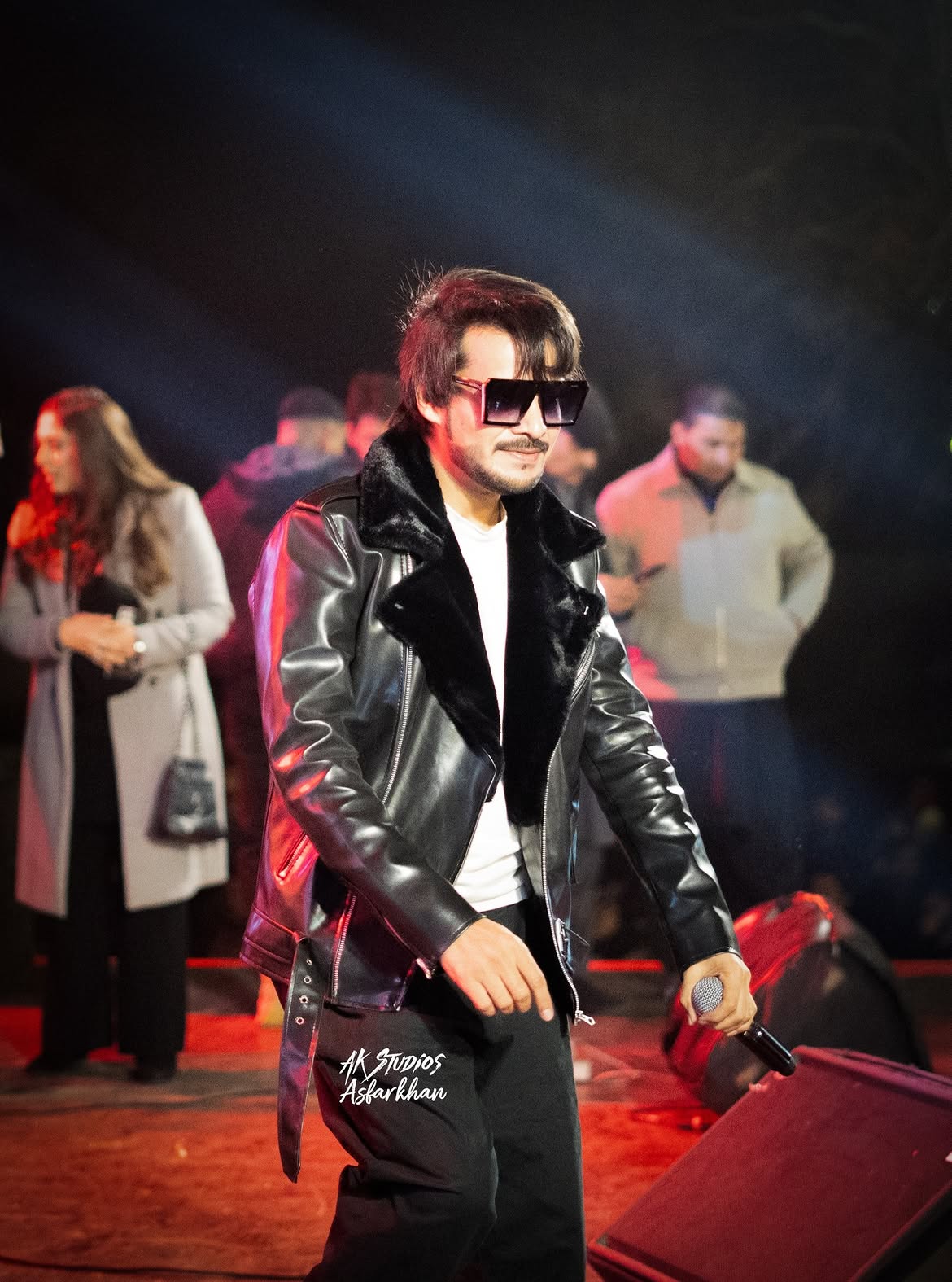
Shot on a fast prime lens to isolate the performer from the stage lighting behind him
2. Anticipate the Moment — Don't Chase It
By the time you react to a great expression or gesture on stage, it's already gone. The performers who give you the best frames usually build up to a moment — a held note, a raised arm, a jump — and the photographers who get the shot are the ones who started shooting just before the peak, not after.
Watch a performer's rhythm for a few minutes before you start shooting seriously. Most artists have patterns, and once you recognize them, timing gets much easier.
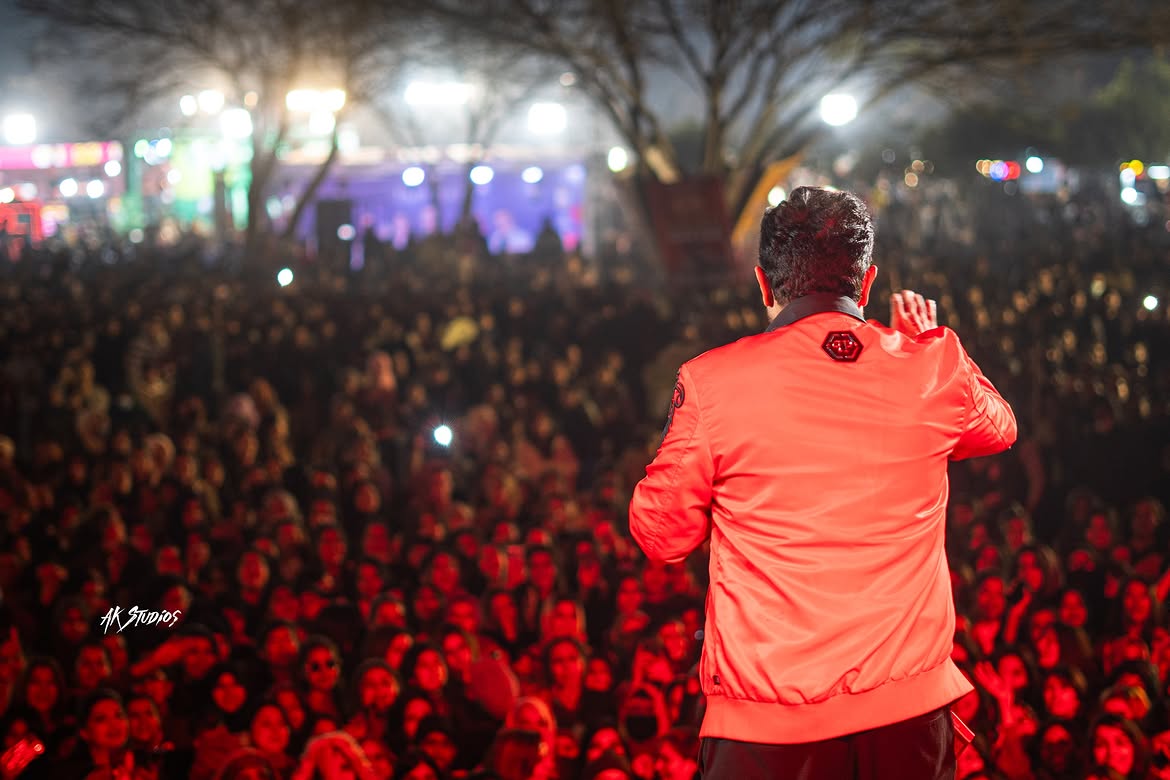
Abrar Ul Haq mid-performance in Rawalpindi — timed to catch peak stage energy
3. Capture the Crowd, Not Just the Stage
Some of the most powerful event photos have nothing to do with the performer. A sea of raised hands, the glow of phone screens, the genuine reaction on someone's face — this is what actually communicates the scale and energy of an event.
Make it a habit to turn around and shoot the crowd at least a few times during any event. Clients and audiences respond to these images just as strongly as the hero shots of the stage.
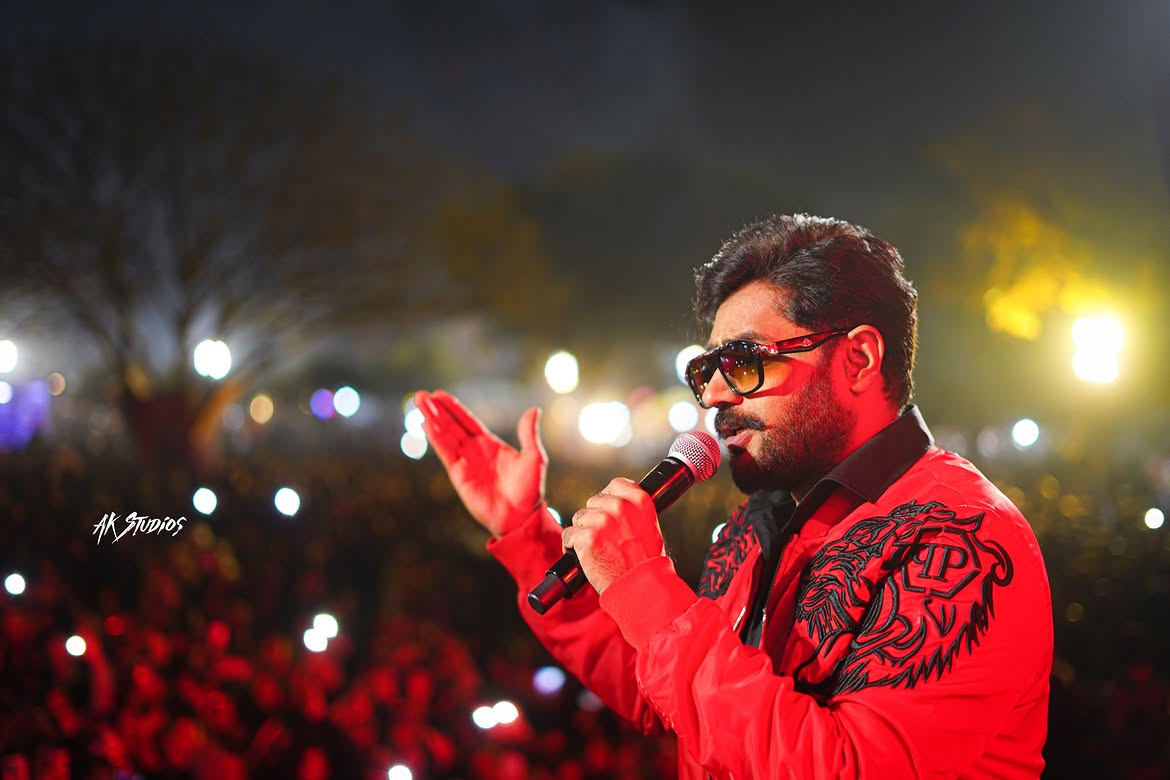
Wide crowd shots communicate scale in a way stage-only photos never can
4. Master Manual Exposure for Changing Stage Lights
Auto modes struggle badly at concerts because stage lighting changes constantly — a performer can go from a bright spotlight to near-darkness in seconds. Shooting in full manual mode gives you control over exposure that auto and even aperture-priority modes can't keep up with.
A reliable starting point: shutter speed around 1/250s or faster to freeze movement, aperture as wide as your lens allows, and ISO adjusted on the fly to compensate — often anywhere from 1600 to 6400 depending on the venue.
- Fast shutter speed to freeze motion
- Wide aperture to maximize available light
- Flexible ISO, adjusted continuously through the set
- Continuous autofocus and burst mode for moving subjects
5. Get Close — or Use the Right Telephoto
Distance kills emotion in event photography. A performer photographed from far away with a wide lens often looks small and disconnected from the viewer. Getting physically closer, or using a telephoto lens to compress the distance, makes a massive difference in how engaging the final image feels.
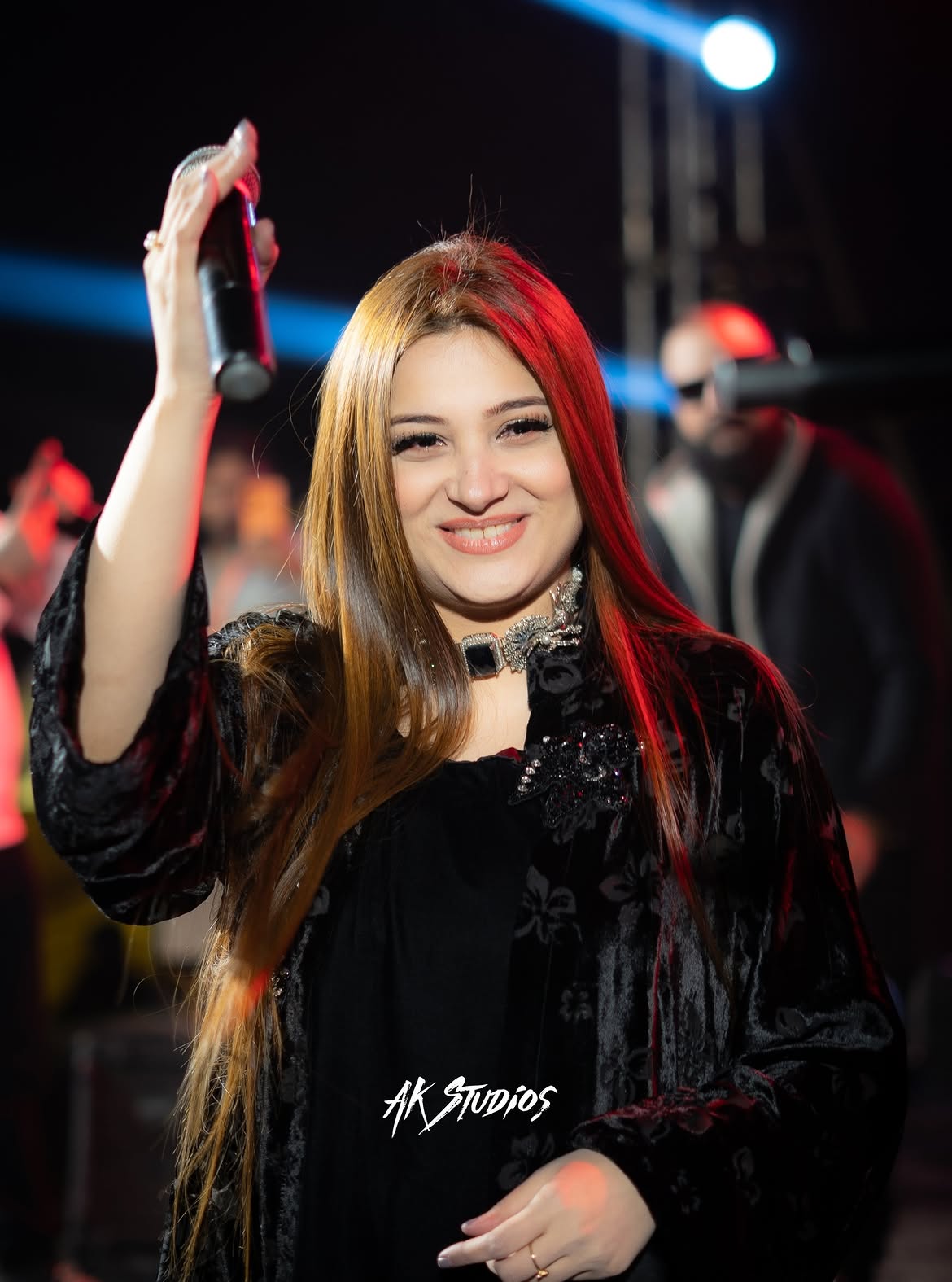
A telephoto lens compresses distance and keeps the focus tight on the performer
Equipment We Rely On for Live Events
Every event is different, but our core kit for concerts and live coverage usually includes:
For a deeper look at how we approach full event coverage, see our concert photography & videography services.
Need Your Event Covered Professionally?
AK Studios by Asfar Khan provides concert, festival and live event photography and videography across Islamabad, Rawalpindi and Pakistan — built on exactly the techniques covered in this guide.
Book Event CoverageFrequently Asked Questions
What camera settings work best for concert photography?
Start in manual mode with a fast shutter speed (1/250s or faster to freeze movement), a wide aperture (f/1.8-f/2.8) to let in more light, and let ISO float as high as your camera handles cleanly, often 1600-6400 at concerts.
Do I need a full-frame camera to shoot concerts well?
It helps in low light because full-frame sensors generally handle high ISO with less noise, but a crop-sensor camera with a fast prime lens can still produce excellent results if you understand exposure and timing.
How do you get sharp shots when performers are moving fast?
Use continuous autofocus, burst mode, and anticipate the moment rather than reacting to it — watch the performer's rhythm and start shooting just before the peak action, not after.
Does AK Studios offer concert and event photography services?
Yes. We provide professional concert and event photography and videography across Islamabad, Rawalpindi and Pakistan, including festivals, celebrity performances and corporate entertainment events.